Compare Local Contractors for Residential Brick Installation Success
Compare local contractors to define project scope, verify experience, and set clear expectations in writing for successful residential brick installation.
Residential brick installation services typically encompass a range of tasks related to the design, placement, and finishing of brickwork on homes. This work can include constructing new brick facades, repairing or replacing damaged brick sections, installing brick accents, or creating features such as chimneys, planters, or walkways. Proper installation requires attention to detail, including selecting appropriate mortar mixes, ensuring level and consistent brick placement, and achieving a durable, visually appealing finish that complements the home's architecture. Understanding the scope of work involved helps property owners communicate their needs clearly and ensures that the project covers all necessary aspects for a successful outcome.
Clearly defining the scope of a brick installation project is essential to setting realistic expectations and avoiding misunderstandings. Property owners should specify the type of brickwork desired, the extent of the installation, and any particular design preferences or structural considerations. Documenting these details in writing provides a reference point for discussions with service providers and helps ensure that all parties are aligned on the work to be performed. A well-defined scope also facilitates better communication about materials, methods, and the level of craftsmanship expected, contributing to a smoother project process and more predictable results.
When comparing local contractors for residential brick installation, property owners should evaluate their experience, reputation, and the range of services offered. It is practical to seek out service providers who have worked on similar projects in the area, as familiarity with local building codes, climate conditions, and common architectural styles can influence the quality of work. Reviewing credentials such as portfolios, references, or past project descriptions can provide insight into each contractor’s capabilities. Additionally, obtaining detailed written proposals that outline the scope of work, materials, and responsibilities allows for an informed comparison, helping property owners select a contractor whose expertise aligns with their project needs.
Compare local contractors by outlining project priorities, verifying experience, and setting clear expectations in writing.
- Verify Experience and Expertise - Ensure service providers have relevant experience in residential brick installation projects.
- Compare Service Offerings - Review the scope of work, methods, and materials offered by different local contractors.
- Define Project Scope Clearly - Establish detailed expectations and scope in writing to prevent misunderstandings.
- Assess Credentials and References - Check references and credentials to confirm reliability and quality of previous work.
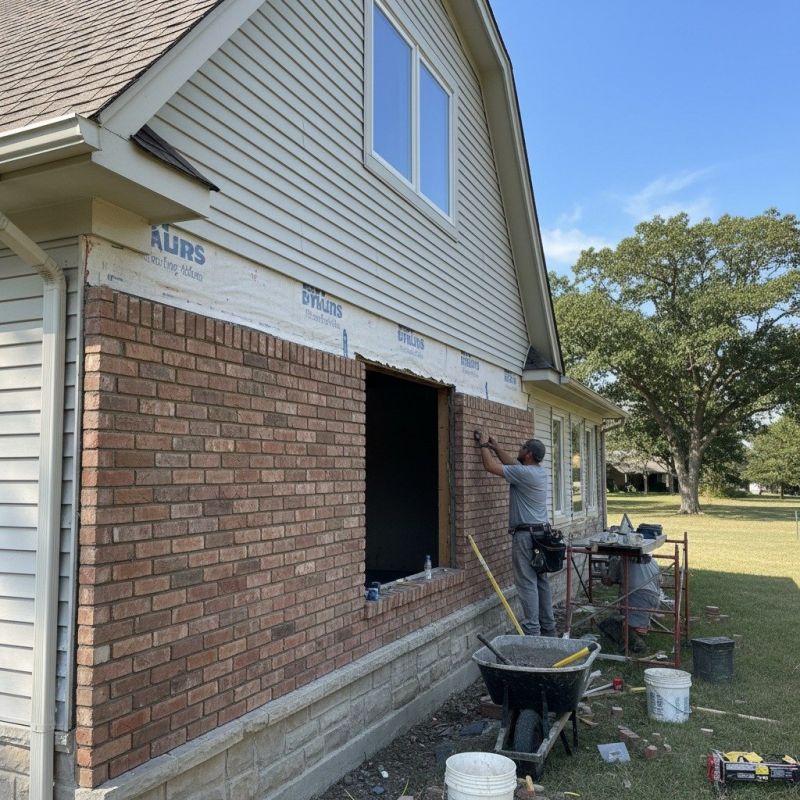
Before comparing local contractors, clearly describe your residential brick installation project to define scope and verify experience.
- Verify the contractor’s experience with residential brick installation projects similar in scope and style. - Ensure the service provider can demonstrate a track record of quality work on similar residential properties.
- Define the scope of work clearly in writing, including materials, finishes, and any additional features. - A detailed scope helps prevent misunderstandings and sets clear expectations for the project.
- Check references or reviews from previous clients to assess the contractor’s reliability and craftsmanship. - Feedback from past customers provides insight into the contractor’s professionalism and work quality.
- Confirm that the contractor provides detailed written estimates outlining the scope, materials, and work involved. - Written estimates help compare services and ensure transparency in the project’s details.
- Discuss the project timeline and milestones to establish realistic expectations for completion. - Clear timelines assist in coordinating other aspects of the project and prevent delays.
- Ensure the contractor is aware of local building codes and permits required for residential brick installation. - Compliance with local regulations ensures the work meets safety and legal standards.
Compare local contractors' experience and clarify project scope to ensure clear expectations for brick installation.




This section helps you compare local contractors for residential brick installation by standardizing scope, experience verification, and written expectations.
- Scope Definition - Clearly outline the specific brick installation tasks and areas to be covered in the project.
- Material Specifications - Specify the type, color, and quality of bricks and mortar to be used for the installation.
- Experience Verification - Confirm that local contractors have relevant experience with residential brickwork projects of similar scope.
- Workmanship Standards - Establish expectations for installation techniques, surface preparation, and finishing details in writing.
- Project Expectations - Define the project scope, deliverables, and responsibilities to ensure clarity between homeowners and service providers.
When evaluating contractors for residential brick installation, it’s important to consider their experience with similar projects. Homeowners should inquire about the types of brickwork the service providers have completed, including the scope and scale of past jobs. A contractor with a proven track record handling projects comparable in size and style can offer insights into their familiarity with the specific requirements and challenges associated with residential brickwork, helping to ensure the selected professional has relevant expertise.
A clear, written scope of work is essential for setting expectations and avoiding misunderstandings. When comparing local contractors, it’s helpful to review detailed project descriptions that outline the materials to be used, the extent of the brickwork, and any specific finishes or design features. A well-defined scope provides a solid foundation for communication and allows homeowners to assess whether the contractor’s approach aligns with their vision and needs.
Verification basics involve confirming that potential service providers have the necessary experience and a history of successful projects. Homeowners should seek references or reviews from previous clients who had similar residential brick installation work completed. Additionally, asking for examples of completed projects or portfolios can help evaluate the quality of craftsmanship. Verifying these aspects ensures that the contractor has a reliable background in residential brickwork and can deliver results that meet expectations.
When comparing options, it’s important to evaluate how each contractor plans to approach the project and whether their proposed methods align with the homeowner’s goals. Reviewing written proposals or scope documents can reveal differences in project management, materials, and craftsmanship standards. By focusing on the clarity of communication, the level of detail in the scope, and the contractor’s experience with similar projects, homeowners can make informed decisions that lead to a successful residential brick installation without relying on price or timeline considerations.
Request written scope details to ensure clear expectations and consistent understanding among potential contractors.
- Experience and Past Projects - What types of residential brick installation projects have local contractors completed recently?
- Scope of Work - How do local service providers define and clarify the specific scope of a brick installation job?
- Materials and Techniques - What materials and installation methods do local contractors typically use for residential brickwork?
- Project Expectations - How do local contractors communicate project scope, process, and responsibilities in writing?
- Comparison Criteria - What factors should be considered when comparing different residential brick installation service providers?
How can I compare different contractors for residential brick installation? It's helpful to review their previous work, ask about their experience with similar projects, and verify any references or reviews to ensure they meet your expectations.
What should I include in the scope of work when hiring a contractor? Clearly define the materials to be used, the extent of the brick installation, preparation and cleanup responsibilities, and any specific design preferences to set clear expectations.
How can I verify a contractor’s experience with residential brick projects? Request details about their past projects, inquire about their familiarity with different brick types, and ask for examples of completed work similar to your needs.
Why is it important to get the scope of work in writing? Having a detailed written agreement helps prevent misunderstandings, clarifies responsibilities, and provides a reference point throughout the project.
What questions should I ask a contractor before hiring for brick installation? Ask about their experience, the materials they recommend, how they handle project challenges, and whether they provide a detailed work plan or contract.
How can I ensure the contractor understands my project expectations? Communicate your project goals clearly, ask for their input, and confirm that all details are documented in a written agreement before work begins.
This page has provided an overview of how to find and compare contractors for residential brick installation. Visitors learned the importance of defining the scope of work clearly, verifying the experience of service providers, and putting all expectations in writing to help ensure a smooth project. Using the provided quote form can assist in connecting with local contractors who can meet specific project needs and preferences.
To explore options and find the right service provider, use the quote form to compare local contractors specializing in residential brick installation. Gathering information from multiple providers allows for better understanding of available services and helps make informed decisions based on individual project requirements.